Have your wedding outfit professionally dry cleaned within one to two weeks of the wedding, even if it looks clean. Until then, air it out, don’t wash or spot-clean it yourself, and when it comes back, store it folded in muslin, not plastic.
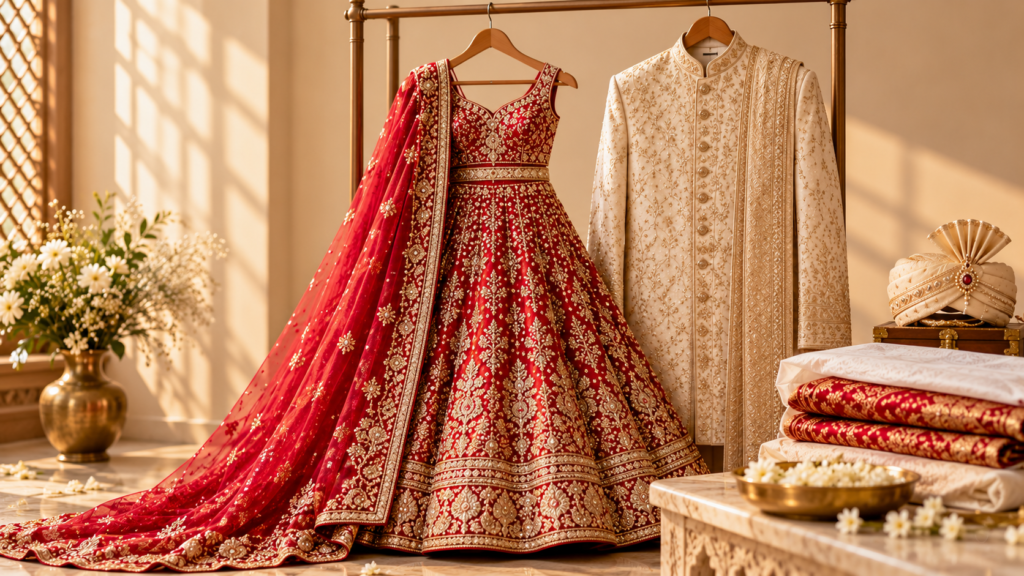
A wedding outfit goes through a lot in a few days. Haldi, mehendi, sindoor, a long dinner, a dance floor and hours of wear in Indian weather. Most of what it picks up is invisible on the day. Body oils, perfume, sugary drinks and food splashes sit quietly in the fabric and slowly oxidise. Six months later, when you open the box for a cousin’s sangeet, they show up as yellow patches, a dull zari border or a ring that wasn’t there before.
The good news is that almost all of this is preventable. Here is what to do, from the first night to the next ten years.
The first 48 hours: what to do (and what not to)
- Take it out of the garment bag. Hang it overnight in a shaded, airy room, away from direct sun. This lets sweat and perfume evaporate before you assess it.
- Check it in daylight. Look at the underarms, cuffs, neckline, the front panel where food lands, and the hem of the lehenga and dupatta, which drag on the floor all evening.
- Note every mark and what caused it. A quick photo on your phone with a note (“haldi, left sleeve”) helps your cleaner choose the right treatment.
- Don’t rub, wet or wipe anything. No water, no wet wipes, no makeup remover, no hair dryer. Most home fixes push stains deeper or leave a water ring on silk.
- Remove pins and accessories. Safety pins, brooches and tikka hooks can snag net and pull threads in storage.
- Book a specialist within one to two weeks. The sooner a stain is treated, the more gently it can be removed.
Common wedding stains and how to handle them
Indian weddings come with their own set of stains. Here is what each one does, and why home remedies often make it worse.
| Stain | Where it usually lands | Don’t | What a specialist does |
|---|---|---|---|
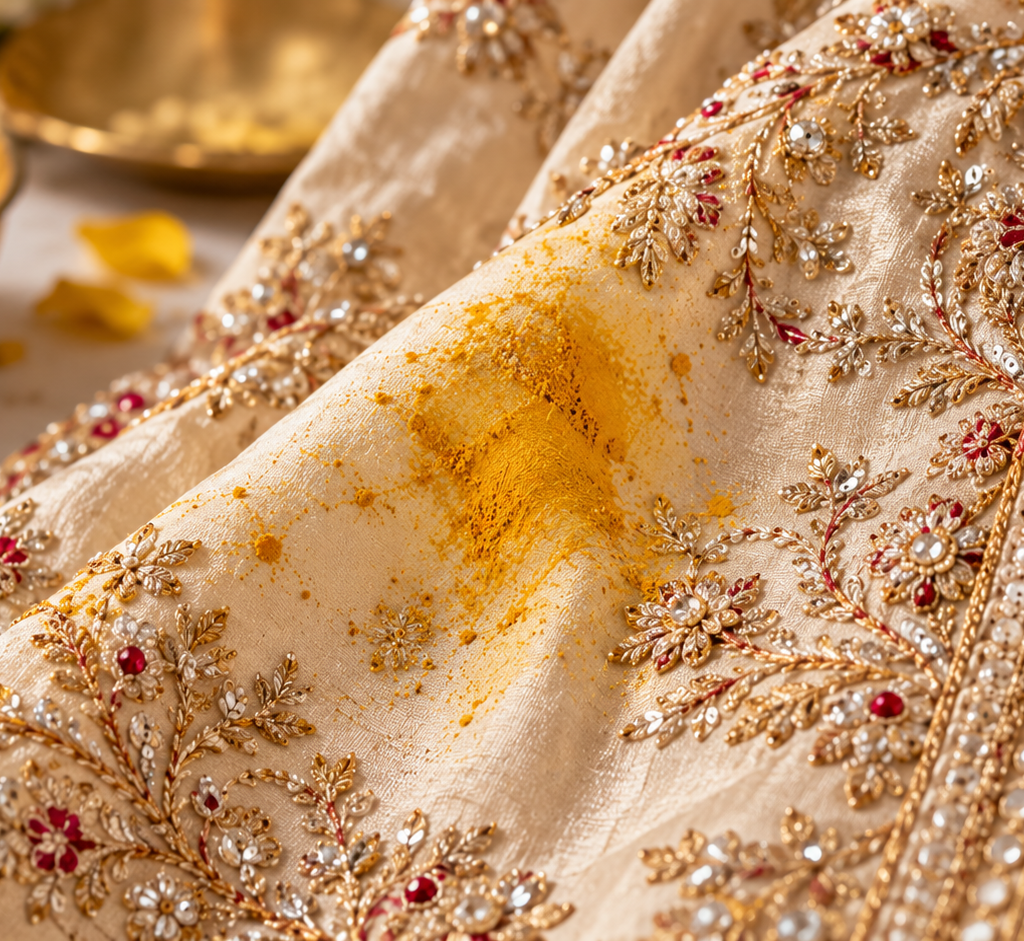
| Haldi (turmeric) | Sleeves, dupatta, kurta front | Use soap and water. Turmeric turns reddish with alkaline soap and can set. | Dry pre-treatment matched to the fabric, tested on a hidden seam first |
| Sindoor and kumkum | Dupatta, neckline, sherwani shoulder | Rub it. The powder spreads into the weave. | Removes loose pigment first, then treats what remains |
| Mehendi | Cuffs, blouse sleeves, sherwani cuffs | Leave it for months. Henna dye bonds with fibres over time. | Early, targeted treatment before the full clean |
| Food and curry oil | Front panel, lap, cuffs | Sprinkle talc or salt on silk, or scrub with a tissue. | Solvent-based stain removal before cleaning |
| Makeup and foundation | Neckline, blouse, dupatta edges | Wipe with makeup remover or wet wipes. | Lifts oils and pigments without spreading them |
| Wax from diyas | Hem, dupatta, sherwani sleeve | Scrape it off zari or embroidery. | Lifts wax without pulling threads or stones |
| Drinks | Front, lap, sleeves | Dab with water on silk (leaves a ring). | Removes sugars before they caramelise into brown marks |
Lehenga, sherwani or bridal saree: what each one needs
| Outfit | The main risk | Care tip |
|---|---|---|
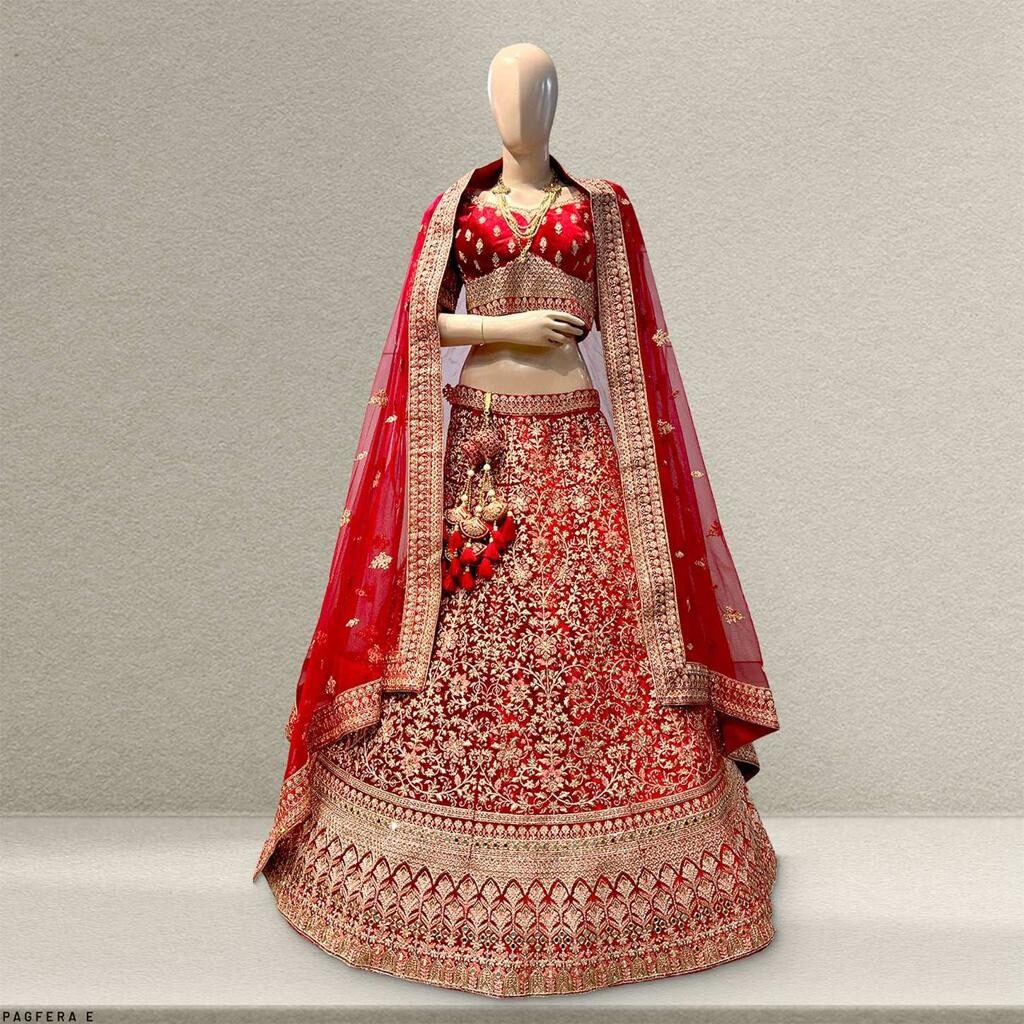
| Bridal lehenga | The weight of embroidery stretching the waistband and seams | Clean, then store folded with muslin between layers. Don’t leave it hanging for months. |
| Sherwani and achkan | Sweat at the underarms and collar; shoulders losing shape | Clean promptly. Store on a broad, padded hanger in a breathable cover. |
| Kanjeevaram or Banarasi saree | Zari cracking along the same fold lines | Refold along different lines every two to three months. |
| Net, organza and georgette dupattas | Snags and pulled threads | Fold loosely; keep away from jewellery and hooks. |
| Groom’s safa and stole | Perfume and hair-product stains | Clean with the outfit; store flat. |
Zari, sequins and heavy embroidery need extra care
Zari tarnishes. Real zari is made with silver or gold-plated thread, and it reacts with moisture, sweat, perfume and even rubber bands. Wrap zari pieces in soft muslin, keep perfume away from them, and never iron directly on the zari.
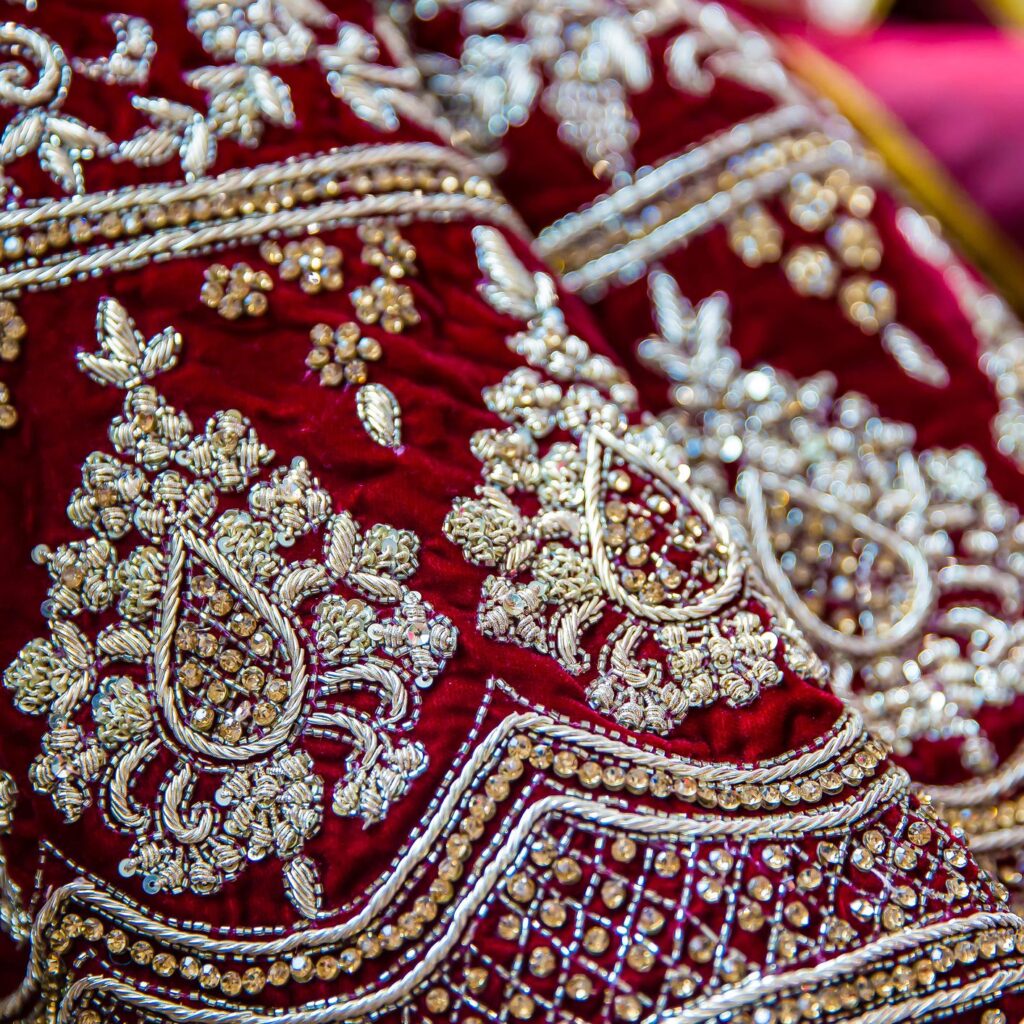
Stones and sequins can loosen. Many embellishments are glued, and the wrong heat or solvent can lift them. A good garment care specialist checks every embellishment before cleaning and protects the delicate areas.
Home dry-cleaning kits are not for wedding wear. They are designed for plain fabrics. On an embroidered lehenga they can leave rings, dull the zari or loosen stones.
How to store wedding outfits for years
- Never store anything unclean. Invisible stains are the main reason outfits come out of storage yellowed.
- Use breathable covers. Unbleached muslin or cotton bags, not plastic. Plastic traps moisture.
- Fold heavy pieces. Pad the folds with muslin or acid-free tissue and refold every two to three months.
- Fight the humidity. In Mumbai and other coastal cities, add silica gel sachets and air your outfits on a dry day every few months.
- Skip naphthalene against the fabric. Mothballs can leave a lingering smell and should never touch silk or zari. Neem leaves or cedar blocks in a cloth pouch are gentler.
- Keep it dark. Light fades rich dyes, especially reds and pinks.
How Pressto cares for your wedding outfit
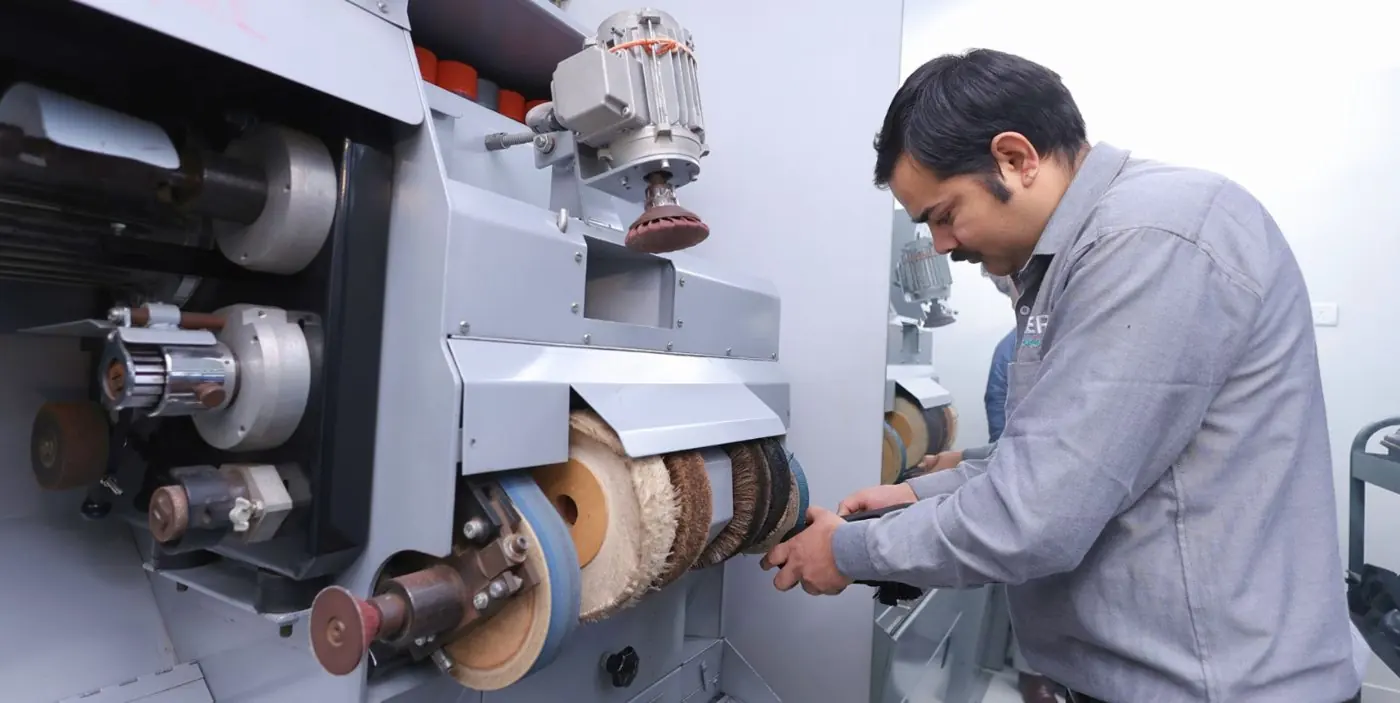
Wedding wear is some of the most important work we do, and we treat it that way. Here is what happens when you hand your outfit to Pressto:
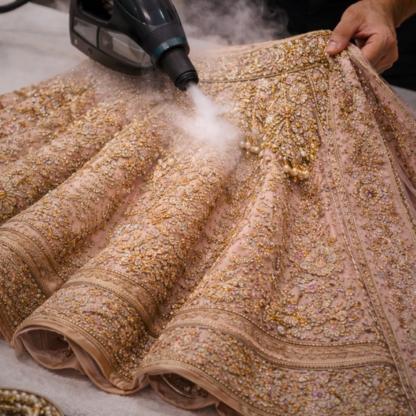
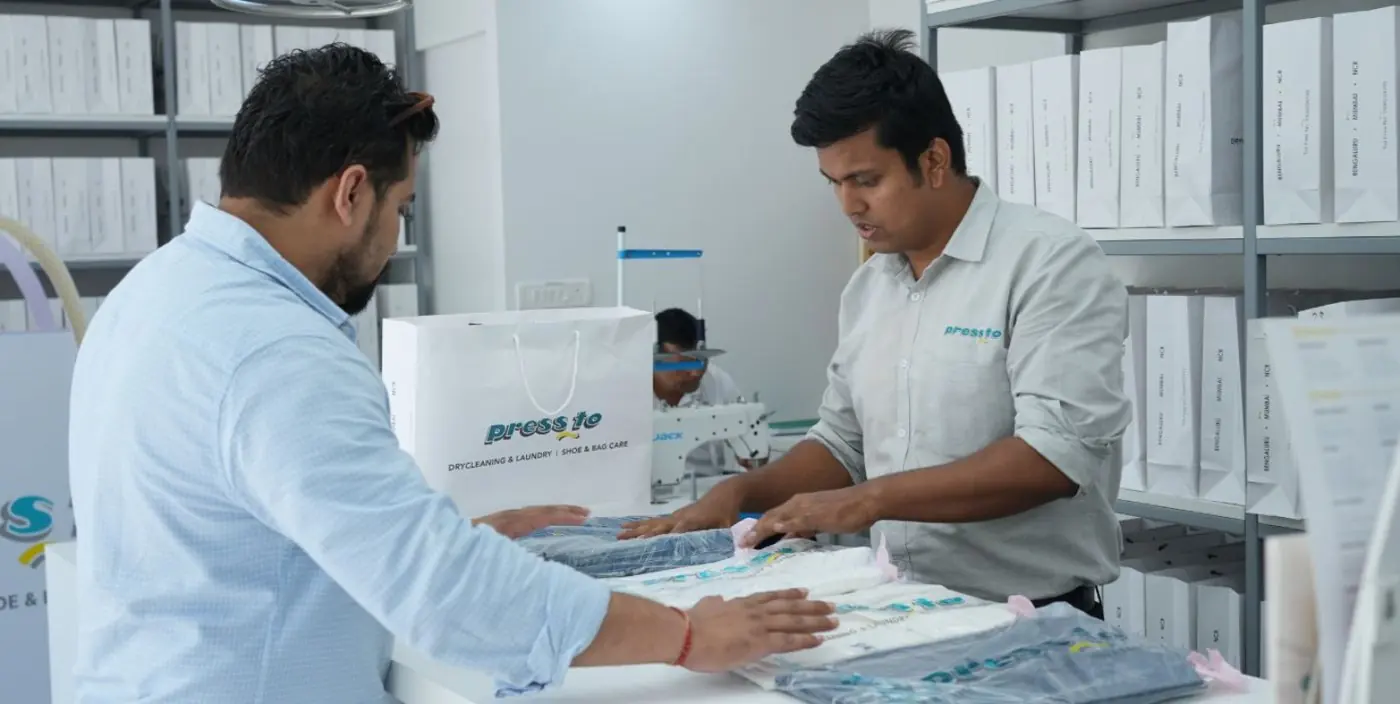
- Free pickup from your home. Heavy lehengas and sherwanis don’t have to travel in a car boot. We collect and return them carefully packed, free of charge.
- A detailed inspection first. A specialist checks the fabric, stains, embroidery and stones, and records anything delicate before work begins.
- You hear from us before we start. If a stain needs a special treatment, or carries a risk, we explain it and confirm the work and price with you first. No surprises.
- Stains treated before cleaning. Each mark gets its own treatment, chosen for the fabric, before the main clean.
- Finished by hand. Pressed carefully around embroidery and returned folded or hung, the way the outfit needs to be stored.
Wore heels or juttis all night? Read our guide on whether your favourite shoes can be saved.
Frequently asked questions
How soon after the wedding should I dry clean my lehenga?
Ideally within one to two weeks. Sweat, perfume, drinks and food can look invisible at first but oxidise into yellow or brown marks over a few months, and older stains are much harder to lift without risking the fabric.
Can a haldi stain be removed from a silk lehenga or saree?
Often, yes, if it is treated early and correctly. Do not wash it with soap and water: turmeric reacts with alkaline soap and the mark can turn reddish and set. Keep it dry and hand it to a garment care specialist as soon as you can.
Can I store my lehenga in the plastic cover it came in?
Not for long-term storage. Plastic traps moisture, which can cause mildew, yellowing and tarnished zari, especially in humid cities like Mumbai. Use a breathable muslin or cotton bag instead.
Should I hang or fold a heavy lehenga?
Fold it. A heavily embroidered skirt pulls on its waistband and seams when it hangs for months. Fold it with muslin or acid-free tissue between the layers, and refold it along different lines every two to three months.
How much does it cost to dry clean a lehenga or sherwani?
It depends on the fabric, the weight of the embroidery and the stains involved. At Pressto, a specialist inspects the outfit first and confirms the work and price with you before anything begins.
Does Pressto pick up wedding outfits from home?
Yes. Pressto offers free pickup and delivery in the cities we serve, including Mumbai, Pune, Delhi NCR, Bengaluru and Hyderabad, so heavy outfits never have to travel in a car boot or an auto.

Our garment, shoe and bag specialists share what they have learned caring for wardrobes across India since 2008.